Musical Madness on Day Parties: 'This Was Completely Unthinkable Before'
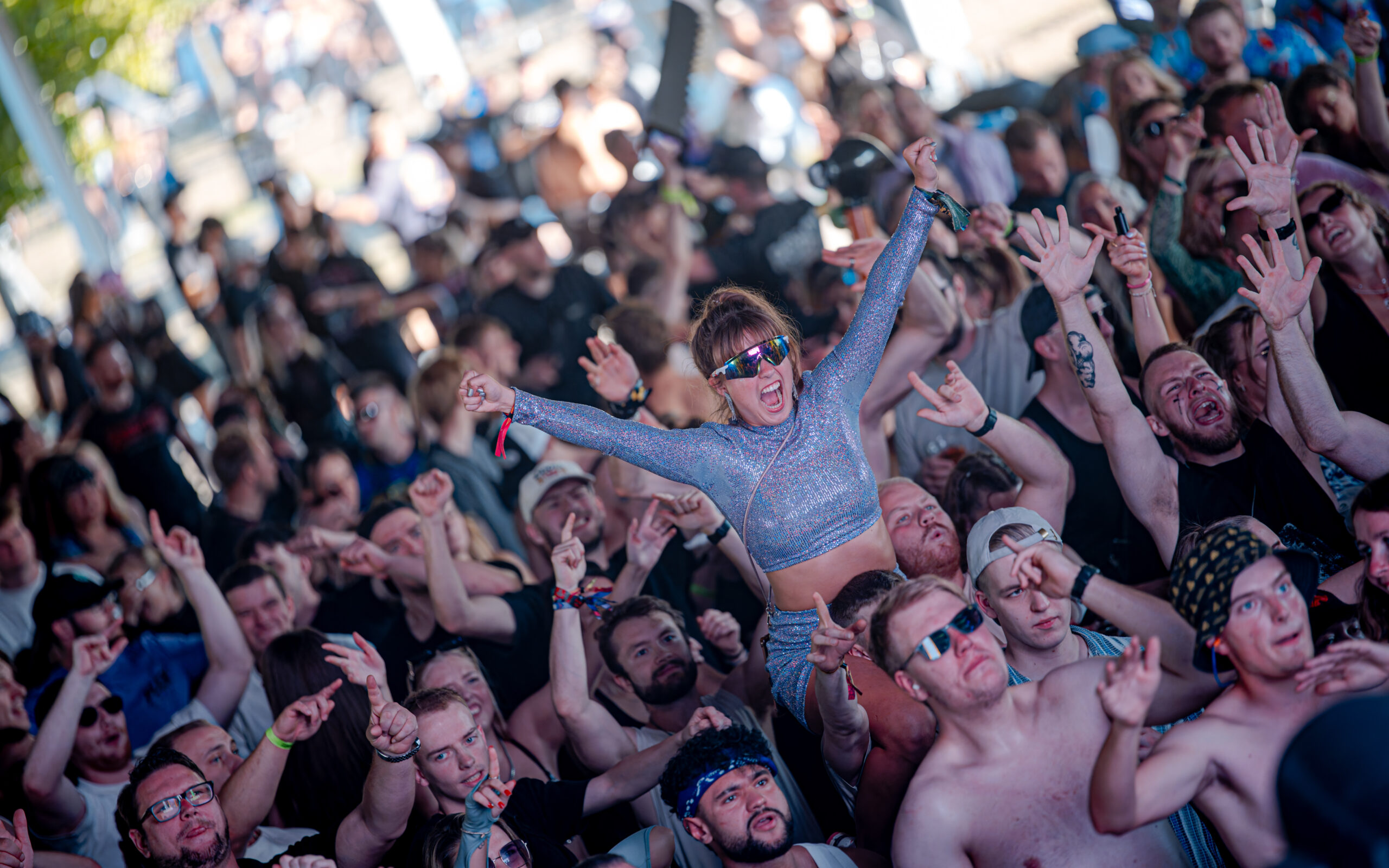
There was a time when the idea of a hard dance event kicking off before sundown seemed like a fever dream — something the scene simply didn't do. Hard techno, hardstyle, and raw hardcore belonged to the night, to the dark, to the sweat-soaked hours between midnight and dawn. Musical Madness is here to tell you that era is firmly over.
A Scene That Has Outgrown the Night
In a candid new interview published July 3, 2026, the team behind Musical Madness opened up about the dramatic cultural shift that has reshaped how hard dance events are programmed and experienced. The headline quote says it all: day parties were once completely unthinkable in this world. Now, they're not just possible — they're thriving.
The evolution didn't happen overnight. It's the result of years of genre growth, an expanding fanbase that spans generations, and a cultural maturation that's moved hard dance out of the underground and into the daylight — literally. What once felt like a subculture hiding in smoky warehouse basements has become a legitimate mass-movement, capable of filling festival grounds at noon just as effectively as at 2 AM.
Why Day Parties Work Now
The logic is straightforward once you see it. The hard dance audience has grown up. Fans who were teenagers at their first Defqon.1 are now in their late twenties and thirties — they still want the rush, still need that 170 BPM kick straight to the chest, but their schedules, their families, and frankly their bodies don't always cooperate with 6 AM finishes. Day formats solve that problem without sacrificing a single decibel of intensity.
Musical Madness has leaned into this reality head-on. The format allows for full production value — massive stages, immersive visuals, the complete hard dance spectacle — in a window that a much broader slice of the community can actually attend. The result is events that feel just as electric as any nocturnal rave, without the logistical nightmare of getting home at sunrise.
The Q-Dance Effect and What Came After
It's impossible to talk about this shift without acknowledging the infrastructure that made it possible. Events like Defqon.1 and the broader Q-dance ecosystem normalized the idea of hard dance as a full-day festival experience. Once that template proved viable, promoters across Europe started asking the obvious question: if it works for twelve hours, why not for six in the afternoon?
Musical Madness represents a new wave of event brands taking that question seriously. They're not trying to replicate the mega-festival model — they're carving out a distinct identity that fits between the club night and the stadium event. Daytime hard dance, done right, hits different. The light changes the energy. The crowd is present, focused, and fully locked in from the first drop.
What This Means for the Scene Going Forward
The hard dance world is at an inflection point. Artist rosters are deeper than ever, production budgets are climbing, and new faces are discovering the genre through every possible channel. Day party formats are going to keep expanding because they solve a real problem: accessibility without compromise.
Musical Madness isn't just commenting on a trend. They're actively building one. And if the energy behind their current momentum is any indication, daytime hard dance isn't a phase — it's a permanent fixture of what this scene can be.
FAQ
What is Musical Madness?+
Musical Madness is a hard dance event brand that has become known for pushing the boundaries of how and when hard dance events are staged, including embracing the daytime format that was once considered impossible in the scene.
Why were day parties considered unthinkable in hard dance?+
Hard dance culture was historically rooted in nightlife — dark clubs, late-night warehouse events, and post-midnight festival stages. The genre's energy and audience expectations were tied to nocturnal settings, making the idea of daytime events seem culturally out of place.
What changed to make day parties viable in hard dance?+
The fanbase matured, the genre expanded massively in reach, and events like Defqon.1 normalized the idea of hard dance as a full-day festival experience. As audiences grew older and more diverse, demand for accessible daytime formats increased without any drop in intensity.
How do day parties differ from traditional hard dance events?+
Day parties retain full production value — big stages, heavy sound systems, and complete visual spectacle — but run during afternoon hours. This makes events accessible to a wider audience, including fans who can't manage late-night finishes, without compromising the raw energy of the music.
Is the daytime hard dance trend growing across Europe?+
Yes. Following the blueprint established by large-scale festivals, a new wave of event brands across Europe is now programming daytime hard dance events. The format is expanding rapidly and is expected to become a permanent part of the scene's calendar.