DJ The Prophet Says Hardstyle Has Lost Its Creative Diversity — And the Scene Is Listening
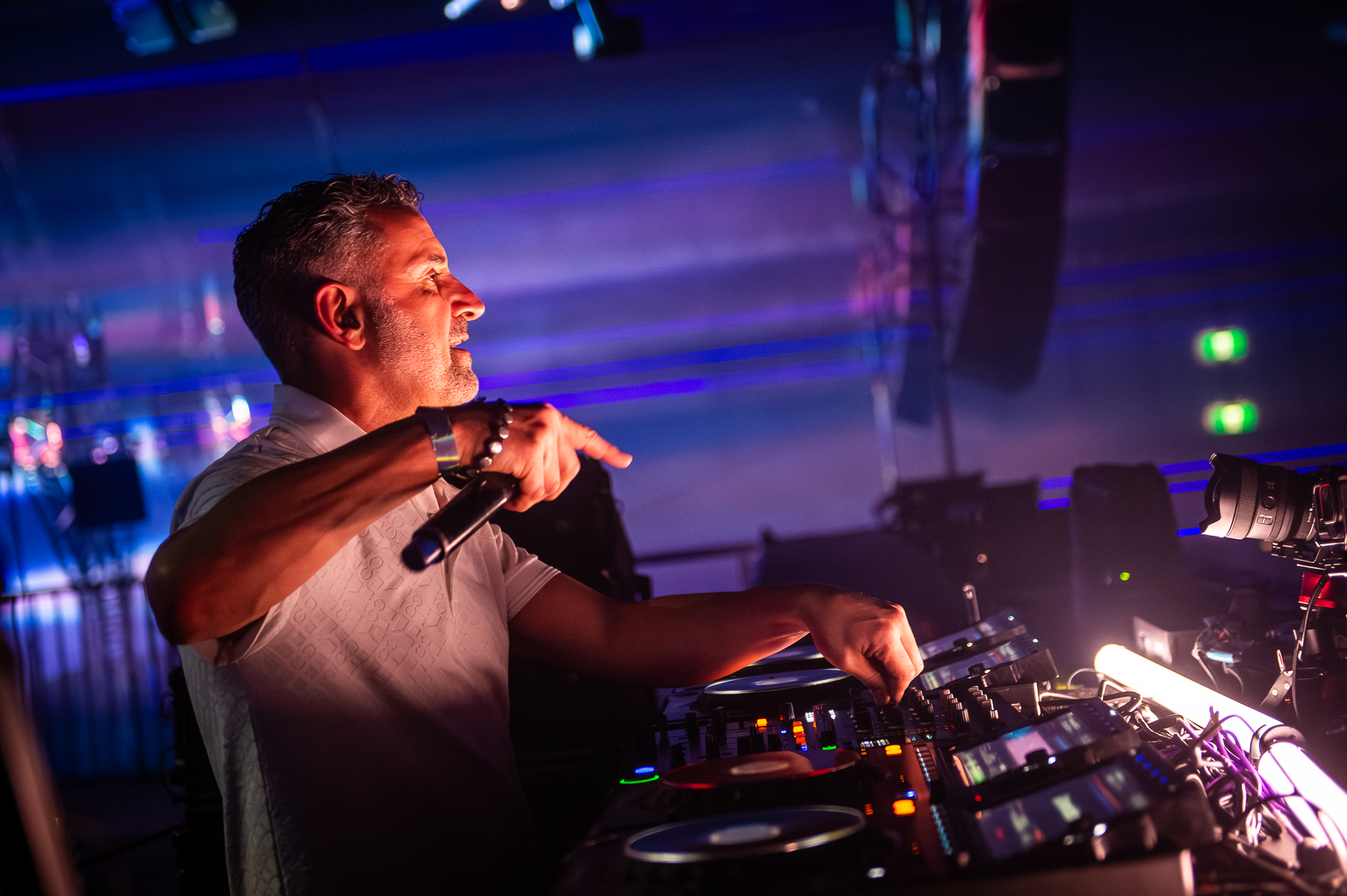
One of hardstyle's founding fathers has spoken, and his words are hitting harder than a 150 BPM kick. DJ The Prophet, the Dutch producer whose fingerprints are all over the DNA of the genre, has gone on record stating that today's hardstyle scene is sorely lacking in variety — and within the community, the reaction has been anything but quiet.
A Legend Sounds the Alarm
The Prophet has been a pillar of the hardstyle ecosystem since the early days, when the genre was still carving out its identity from the raw, industrial edges of gabber and hard trance. That history gives his criticism serious weight. When he says the scene has grown too uniform, he's not talking from the outside looking in — he's lived through every phase of hardstyle's evolution and watched it either grow or calcify with each passing year.
In a recent interview with Hard News, The Prophet made his stance unmistakably clear: the current wave of hardstyle is producing too many tracks that sound like variations of the same template. The energy is there, the production quality has never been higher, but the artistic risk-taking that once defined the genre's greatest moments? That, he says, is disappearing.
What Variety Actually Means in Hardstyle
It's easy to dismiss criticism like this as nostalgia, but The Prophet's argument goes deeper than that. Hardstyle's golden era was defined by its tension between melodic euphoria and raw industrial aggression. Artists like Headhunterz, Wildstylez, and Noisecontrollers weren't just making tracks — they were making statements, each one pushing the sound in a slightly different direction. Raw hardstyle, euphoric hardstyle, early hardcore crossovers — the genre thrived precisely because it contained multitudes.
Today, with Defqon.1 and Q-dance events continuing to sell out and a global fanbase that is as loyal as any in electronic music, there's a commercial argument for playing it safe. A certain sound works, so that sound gets replicated. The Prophet's concern is that this commercial logic is slowly strangling the creative life out of the genre.
The Tension Between Legacy and Innovation
There's a generational dimension to this debate that can't be ignored. Newer hardstyle artists are operating in an era where the genre already has a well-established identity — something The Prophet and his peers had to build from scratch. For a younger producer, deviating too far from what the crowd expects can feel like career suicide.
But The Prophet's critique isn't an attack on new artists. If anything, it's a challenge and a call to arms. The fans who pack Defqon.1's Black stage or go absolutely feral at a Sara Landry set don't just want their expectations confirmed — they want to be surprised, overwhelmed, taken somewhere they didn't expect. That's what the genre's greatest moments have always done.
Where Do We Go From Here?
The hardstyle community is notoriously passionate and opinionated. The Prophet's comments have reignited a conversation that surfaces every few years: is hardstyle evolving, or is it spinning in place? The answer, as always, is probably somewhere in the middle.
What's undeniable is that a voice like The Prophet's carries real authority. He's not a critic standing outside the gates — he's someone who helped build them. When he says the scene needs more variety, the producers, DJs, and labels who make up that scene would do well to take note. The fans certainly will.
"The energy is there, but we need artists who are willing to take risks again. That's what made hardstyle what it is."
Whether the scene responds to that challenge in 2026 and beyond remains to be seen. But one thing is certain: the conversation The Prophet has started is exactly the kind hardstyle needs right now.
FAQ
Who is DJ The Prophet?+
DJ The Prophet is one of the founding figures of the hardstyle genre, a Dutch artist who has been active since the early days of hardstyle and is widely respected as one of the genre's most influential voices.
What exactly is DJ The Prophet criticizing about current hardstyle?+
The Prophet argues that today's hardstyle lacks variety, with too many tracks following the same sonic template. He misses the artistic risk-taking and stylistic diversity that defined the genre's formative years.
Is hardstyle still popular despite these concerns?+
Absolutely. Events like Defqon.1 and Q-dance festivals continue to sell out, and the global hardstyle fanbase remains one of the most dedicated in all of electronic music. The critique is about artistic direction, not commercial viability.
What made older hardstyle more varied?+
Early hardstyle contained a broad range of substyles — from raw and industrial to melodic and euphoric — with artists actively competing to push the sound in new directions rather than converging on a single winning formula.
Will The Prophet's comments have an impact on the scene?+
Given his legendary status and deep roots in the genre, his words carry significant weight. Whether producers and labels respond creatively to his challenge remains to be seen, but the conversation he's sparked is one the scene clearly needs to have.